How Reward Games Use Collaborative Missions
22 November 2026 | 2
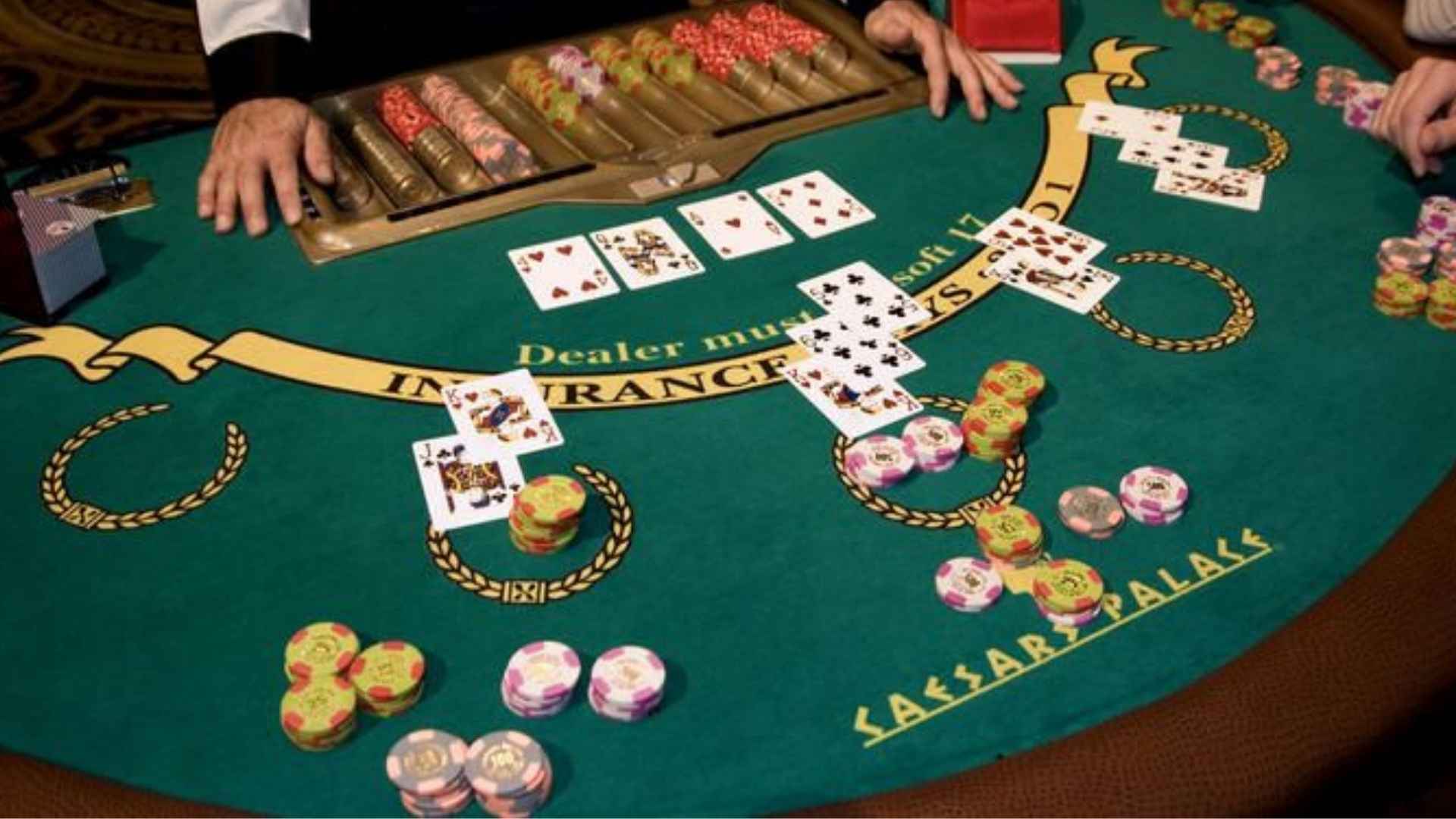
Collaborative missions have emerged as a dominant feature in modern reward-based gaming, transforming solitary play into shared group endeavors. Instead of working entirely in isolation, players now join forces to complete multi-stage challenges that unlock pooled incentives and exclusive bonuses. This cooperative approach enhances player retention while building active digital communities across mobile and desktop platforms.
The Mechanics of Shared In-Game Objectives
Joint tasks require players to combine their individual contributions toward a single overarching goal. Whether gathering a massive total of resources or defeating complex boss encounters, every participant contributes to the shared meter. These unified efforts build mutual responsibility and encourage regular participation among teammates.
Developers structure these challenges so that rewards scale based on collective milestones. Achieving partial progress grants basic perks, while full completion unlocks top-tier prize tiers for all active members. This tiered system motivates communities to support lower-level players to ensure target completion.
Social Dynamics and Community Building
Working together toward common rewards creates natural social bonds within gaming groups. Players frequently form dedicated communication channels to coordinate play times, share optimal strategies, and track daily progress metrics. This social layer transforms casual entertainment into a meaningful community activity.
When evaluating different gaming platforms, users often check detailed coverage like an m88 review to understand community features and bonus structures. Platforms that foster strong social dynamics generally retain higher user satisfaction rates. Active communities provide ongoing support, helping newcomers navigate group mechanics smoothly.
Enhancing Player Retention Through Group Milestones
Team-based incentives significantly increase long-term user engagement compared to solo progression tracks. Players are far less likely to skip daily sessions when their absence directly impacts group success and team standings. This sense of shared duty creates steady, habitual interaction across active titles.
Furthermore, regular community events refresh gameplay dynamics by introducing temporary shared goals. These periodic campaigns keep long-term users invested while providing returning players a low-friction entry point to rejoin active guilds. Strategic variety keeps group content feeling rewarding and fresh over time.
Balancing Individual Effort and Team Rewards
Fair reward distribution systems prevent inactive players from benefiting excessively from team efforts. Modern titles often require a minimum contribution threshold before granting access to final milestone prizes. This design protects dedicated participants and maintains high trust across the player base.
Ultimately, collaborative missions offer a balanced framework where individual achievement directly strengthens collective success. By blending shared goal tracking with equitable incentive distribution, reward games create engaging environments that keep global communities actively connected.